Who We Are?
About the Atlas
To show and understand
The Caribbean Atlas is a digital geographic and geopolitical atlas designed to visualize and explain the dynamics of a region whose name is widely recognized but whose realities — and even boundaries — are often misunderstood. Above all, it is a maritime space. Through maps, analyses, and visual resources, the Atlas serves as a scientific and educational tool to help users understand and explore the Caribbean in all its richness and complexity: its territories, societies, economic, environmental, and geopolitical challenges. It provides accessible keys to understanding, grounded in a continuously renewed scientific rigor.
From Florida to the Guiana, including the Greater and Lesser Antilles and Central America, the Caribbean Atlas offers a comprehensive approach to a highly fragmented region. One of its key objectives is to explain how and why the Caribbean forms a coherent maritime basin with common challenges, characterized by complex relationships between territories and societies.
Each study combines texts, maps, and data to allow readers to build their own knowledge, grasp the complexity of the region at a glance, and understand the relationships and issues. The Atlas invites users to discover the Caribbean, a fragmented space, a true mosaic of populations, languages, cultures, and activities. It is not limited to a single theme; it addresses the many issues that shape the reality of Caribbean societies. It is not confined to a single scale; it combines a broad, continental or even global perspective with high-resolution zooms on individual islands or countries. Readers are free to navigate through the pages and can also rely on a dedicated environment (thesaurus and media library) to construct their own understanding of the Caribbean. Intended for all audiences—teachers, students, researchers, public actors, professionals, or curious citizens seeking to better understand this part of the world—the Atlas is a living project. It is regularly enriched with new contributions to understand the transformations and contemporary challenges.
An Original Scientific Collaboration
The project is based on an interdisciplinary approach that brings together geographers (specialists in territories and societies) and engineers (designers of digital tools). This multidisciplinary collaboration, since 30 years, enables the creation of rigorous and continuously updated scientific content and digital tools, while fulfilling a unique mission: sharing knowledge.
The Caribbean Atlas is committed to open access to knowledge, offering free access to high-quality scientific resources. It does not only provide information, it offers benchmarks, analyses, and perspectives to better understand the Caribbean.
The Team
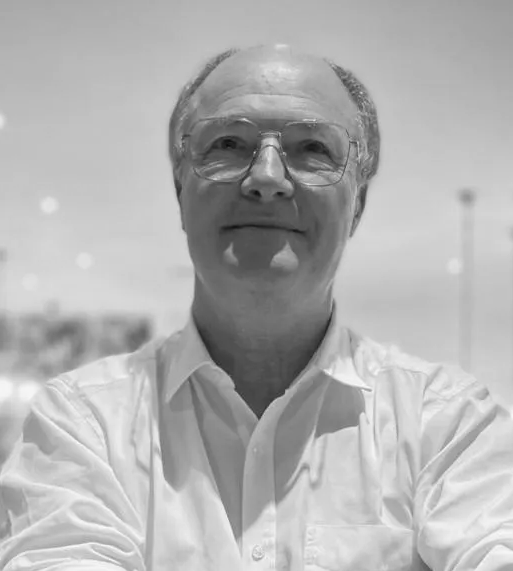
Editorial and Scientific Direction

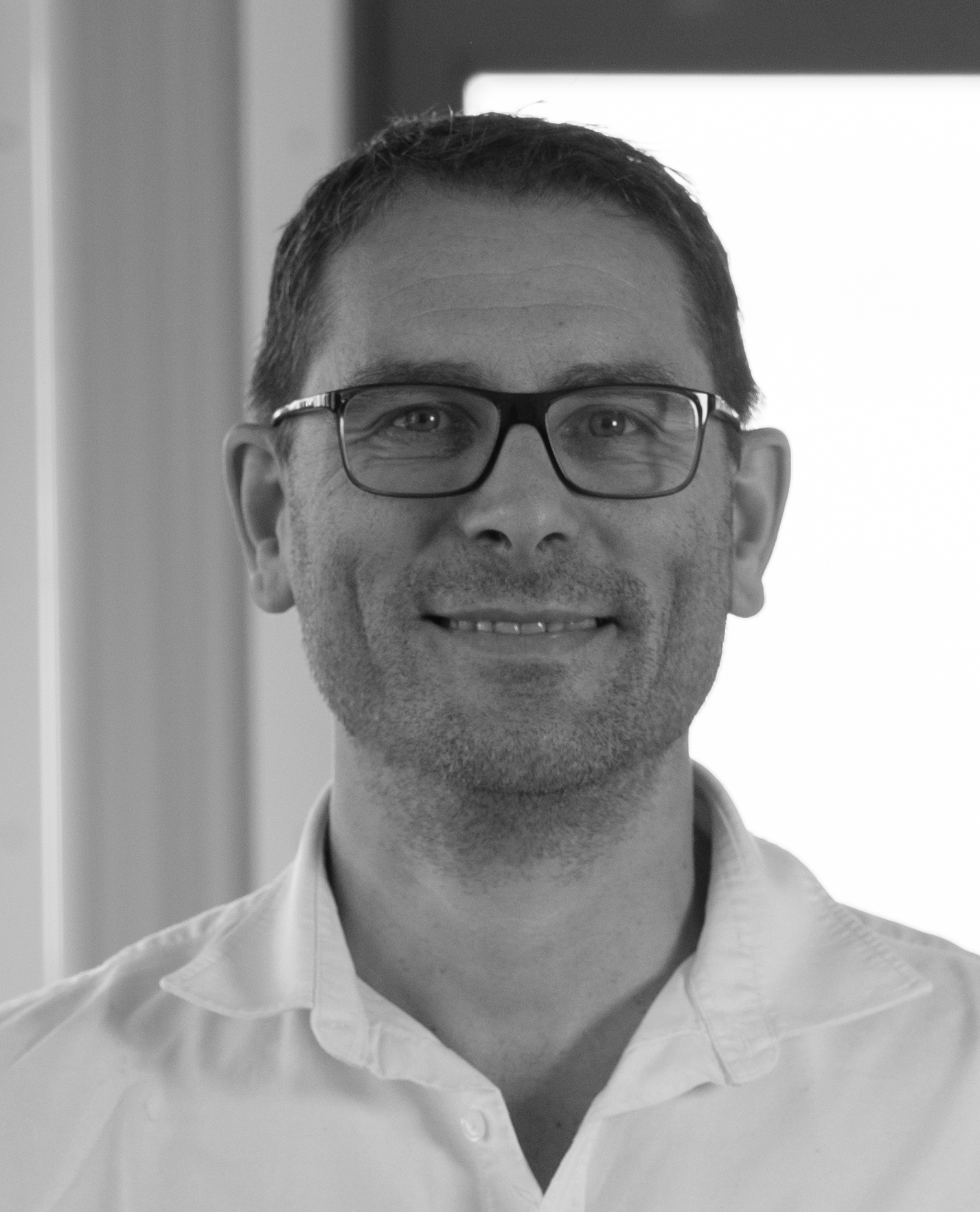
Technical Direction
Scientific Committee
- Monique Bégot Honorary School Inspector, Academy of Martinique – Geographer
- Pascal Buléon Emeritus Research Director, CNRS – Geographer
- Jean-Pierre Chardon Honorary Rector, Academy of Guadeloupe – Geographer
- Patrice Roth Professor "agrégé" of Geography, Academy of Martinique – Geographer
- Frédérique Turbout Research Engineer, MRSH, university of Caen Normandy – Geographer
Design, Communication
- Renaud Folgieman : R&O Alldesign
- Frédérique Turbout : MRSH, University of Caen Normandy
- Ansgar Winter
- Cédric Lacherez : DirCOM, University of Caen Normandy
Cartography & Geomatics
- Frédérique Turbout : MRSH, university of Caen Normandy
- Julien Pellen : CERTIC, university of Caen Normandy
- Ansgar Winter
IT Research & Development
- Christophe Turbout : DSI, university of Caen Normandy
- Arnaud Daret : CERTIC, university of Caen Normandy
- Jacques Madelaine : GREYC, university of Caen Normandy
- Mauro Gaio : university de Pau et des Pays de L'Adour
- Jérôme Chauveau : CERTIC, university of Caen Normandy
- Mickaël Desfrênes : CERTIC, university of Caen Normandy
- Thomas Hennebert : CERTIC, university of Caen Normandy
Contacts in Caen
-
Frédérique Turbout, Université de Caen Normandie, Campus 1 – MRSH
Esplanade de la paix, 14032 Caen, frederique.loew-turbout@unicaen.fr - CERTIC – DSI, contact.certic@unicaen.fr
Contact in Fort-de-France
Association de Recherche et d’Etudes de la Caraïbe (AREC),
41 rue Vincent Placoly, 97200 Fort-de-France - Martinique
moniquebegot@gmail.com