Programme Interreg IV Caribbean Program
Caribbean Co-operation and Integration through the Electronic Atlas
A collaborative project for integration and knowledge of the Caribbean
Lead Partner
AREC - Association de Recherche et d’Études sur la Caraïbe
Context
The RICAe project aimed to stimulate the integration of the Greater Caribbean by promoting knowledge of the region through the provision of the Caribbean Digital Atlas.
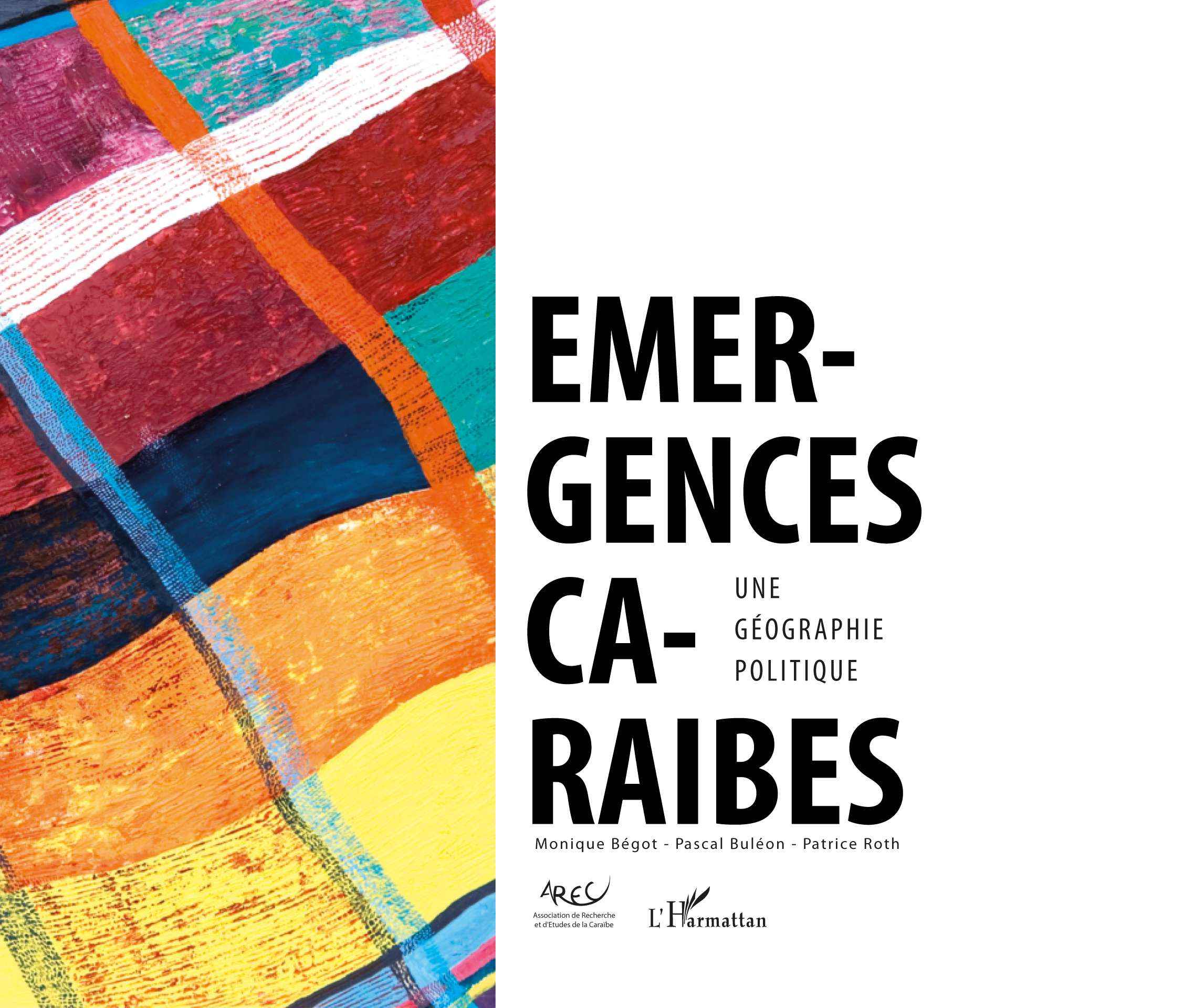
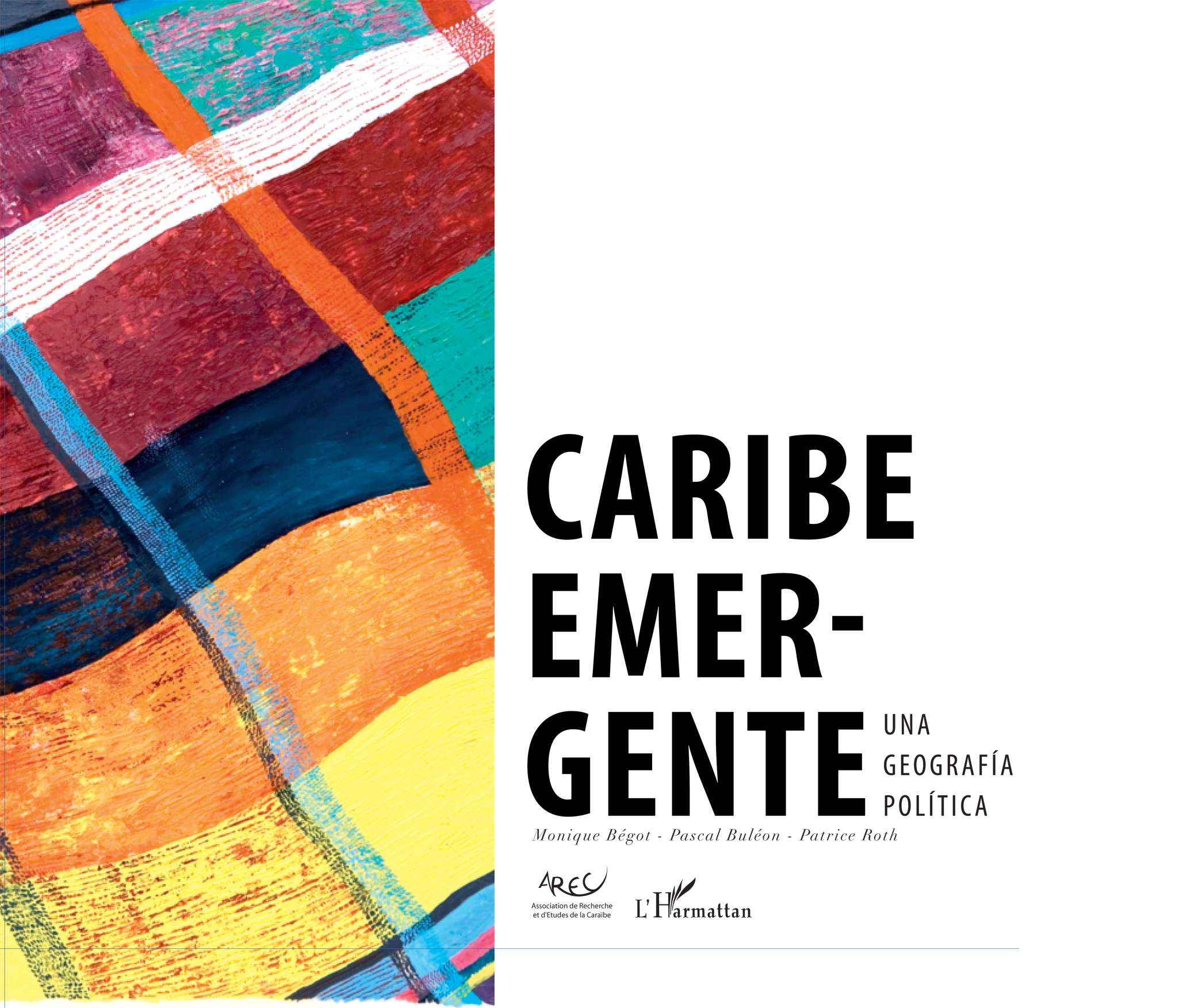
It followed a proposal by the ACS (Association of Caribbean States), voted on in a general assembly and championed by its then-Secretary-General, Ruben Silié, for the dissemination of the work Émergences Caraïbes in multiple languages across the Caribbean and among ACS members and partners. Co-financed by the Interreg IV "Caribbean" program, the RICAe project enabled the development of collaborative actions aimed at creating networks of actors in the Greater Caribbean. These networks sought to develop knowledge of the basin, use information technologies to share this knowledge with the general public, and contribute to better integration within the region. Exchanges of new technologies, teacher training, and the development of knowledge about the region through the Caribbean Atlas were at the heart of this project’s achievements.
Partners
- Region of Martinique
- University of Caen Lower Normandy
- CNRS – Normandy Delegation
- Centro León – Dominican Republic
- ACS (Association of Caribbean States)
Total Budget
€1,828,376 (including €195,194 in extra-community funding and €1,171,379 in ERDF subsidies)
Project Duration
01/05/2009 – 31/12/2013
Objectives
The project was driven by six major objectives:
- Promote the transfer of technologies
- Stimulate large-scale knowledge of the Greater Caribbean
- Ensure the construction of the Caribbean Atlas through interaction among regional scientists
- Develop a shared vision of the Greater Caribbean
- Develop the pedagogical use of the Atlas at school and university
- Build the concept of a "Greater Caribbean" space through the collective development of the Caribbean Atlas
Results
The University of Caen’s contribution focused on understanding complex geographical situations and pluridisciplinary innovation with electronic atlases and composite digital documents. As part of the RICAe project, the University of Caen and the teams associated with the development of the Electronic Caribbean Atlas—geographers and computer scientists—provided their expertise on the Caribbean space. They made studies and analyses of the region available to the widest possible audience through the electronic Atlas.
RICAe enabled
- Several collaborative meetings in the Caribbean, including:
- An international conference at Centro León in the Dominican Republic, bringing together 60 participants from 16 countries
- Meetings in Puerto Rico with Caribbean Studies
- Colloquia in Fort-de-France, in cooperation with the Martinique Region
- A mirror site of the Electronic Caribbean Atlas was installed at Centro León to provide access from the Caribbean region
- Dedicated systems for Atlas authors and editors
- A trilingual search engine
- A domain-specific thesaurus
- Exchanges and pedagogical training for teachers in the Greater Caribbean complemented this program
The University of Caen team trained teachers in the region on using the Atlas to develop educational programs. All the work carried out by AREC and the Caribbean Atlas team was showcased through the publication of a printed book in French and Spanish, following an English version published by Randle.
Monique Bégot, Pascal Buléon, Patrice Roth. Émergences Caraïbes, une géographie politique. L'Harmattan, pp.80, 2013, ISBN 978-2-336-29931-0. (Versions française et espagnole)